
"origin defects"
4000 article(s) found

Common sense of graded coffee to distinguish between coffee beans and coffee beans
● distinguishes the key names and specifications of coffee beans the name of the port of export of ● can tell the shipping route from the name of the port of exit marked. Coffee from the same origin or the same brand has a certain route, so it is also exported from the same port. For example, if it is marked as "Brazil. Santos", it means that this is coffee exported from Santos, but the one marked "Mocha" is taken as an example.
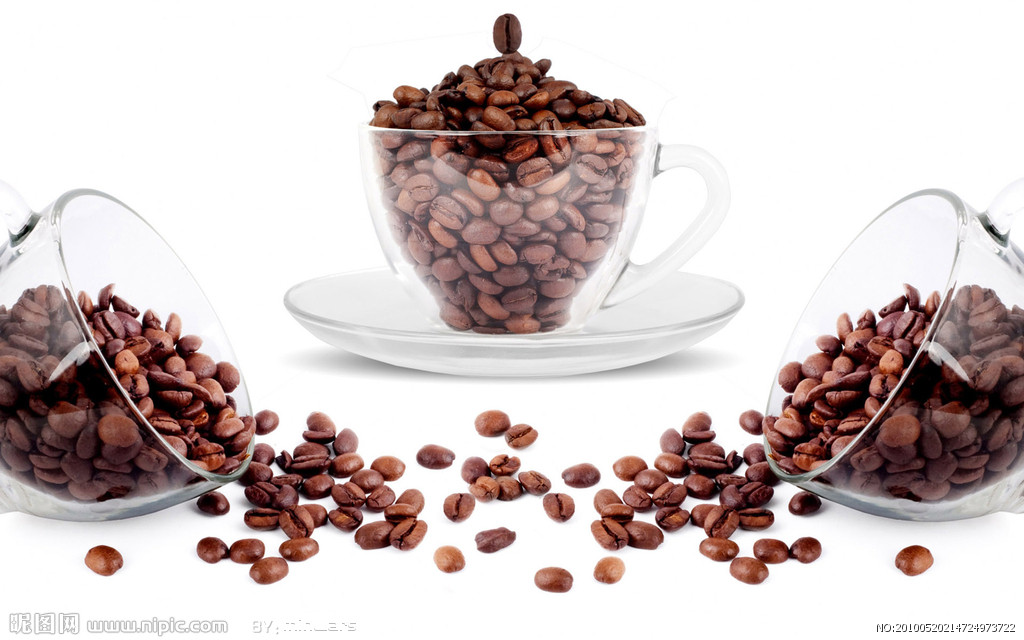
Fine coffee beans: teach you to distinguish coffee beans and coffee beans graded coffee basics
● Key to distinguish the name and specification of coffee beans ● Export port name From the indicated export port name, you can know the route of transportation. Coffee of the same origin or brand has a certain route, so it is also exported from the same port. For example, if the label is "Brazil." Santos "means it's coffee coming out of Santos, except when it's marked mocha.
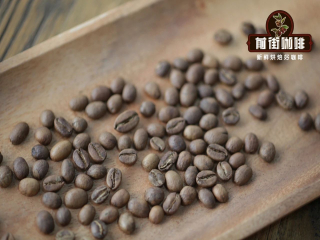
What's the difference between G1 and G2 Yega Xuefei? Classification of coffee beans in Ethiopia
We know that coffee beans are usually graded according to the actual situation of the growing country, such as Kenyan coffee, altitude, blue mountain coffee, and coffee defect rate, such as Ethiopian coffee. Ethiopia, as the gene bank of Arabica, has a wide variety of coffee.

Blue Mountain Coffee, a grading system that gives priority to size and defects
Although the output of Blue Mountain Coffee is very small, it has a strict grading system, even if it is produced in the legal Blue Mountain area, it should be graded according to the size of beans and the proportion of defects. Blue Mountain No.1 Blue Mountain No. 1 bean type: 96% above 17 Blue 18 eyes defective bean proportion: 2% Blue Mountain No.2 Blue Mountain 2 bean type: 96% above 16 inch defective bean proportion: 2% Blue

Fine Coffee Blue Mountain Coffee Size Priority Grading System for Defects
Blue Mountain coffee, although produced in small quantities, has a strict grading system, even if it is produced in the legal Blue Mountain region, it is also graded according to the size of the bean and the proportion of defects. Blue Mountain No.1 Bean type: 96% or more 17/18 mesh defective bean proportion: 2% Blue Mountain No.2 Bean type: 96% or more 16/17 mesh defective bean proportion: 2% Blue

The grading system of Blue Mountain Coffee grading Standard size giving priority to defects
Although the output of Blue Mountain Coffee is very small, it has a strict grading system, even if it is produced in the legal Blue Mountain area, it should be graded according to the size of beans and the proportion of defects. Blue Mountain No.1 Blue Mountain No. 1 bean type: 96% above 17 Blue 18 eyes defective bean proportion: 2% Blue Mountain No.2 Blue Mountain 2 bean type: 96% above 16 inch defective bean proportion: 2% Blue
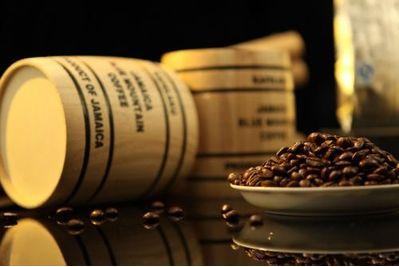
The grading system of Blue Mountain Coffee giving priority to defects. Blue Mountain Flavor imported Coffee beans
Although the output of Blue Mountain Coffee is very small, it has a strict grading system, even if it is produced in the legal Blue Mountain area, it should be graded according to the size of beans and the proportion of defects. BlueMountainNo.1 Blue Mountain No.1 Bean: 96% above 17 BlueMounta 18 defective Bean: 2% BlueMountainNo.2 Blue Mountain 2 Bean: 96% above 16 Universe 17 defective Bean: 2%
The grading system of giving priority to defects in the size of boutique Blue Mountain Coffee
Although the output of Blue Mountain Coffee is very small, it has a strict grading system, even if it is produced in the legal Blue Mountain area, it should be graded according to the size of beans and the proportion of defects. Blue Mountain No.1 Blue Mountain No. 1 bean type: 96% above 17 Blue 18 eyes defective bean proportion: 2% Blue Mountain No.2 Blue Mountain 2 bean type: 96% above 16 inch defective bean proportion: 2% Blue

The name of coffee bean is regular. The origin of coffee bean name is classified by manor name.
Professional coffee knowledge exchange more coffee bean information Please pay attention to the coffee workshop (Wechat official account cafe_style) when buying coffee beans, in addition to the name of the coffee origin in the packaging or text introduction, sometimes you will see the English and numbers, G1, G2, G3, AA, PB, SHB, SHG, HB, etc., have you ever wondered what these English or numbers represent? he
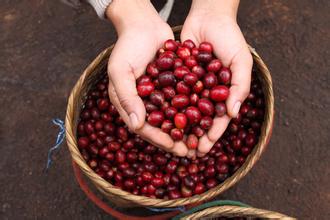
Distinguish coffee beans and the grading of coffee beans how to distinguish the quality of coffee beans coffee knowledge
● distinguishes the key names and specifications of coffee beans the name of the port of export of ● can tell the shipping route from the name of the port of exit marked. Coffee from the same origin or the same brand has a certain route, so it is also exported from the same port. For example, if it is marked "Brazil." "Santos" means that this is coffee exported from Santos, with the exception of those marked "mocha".
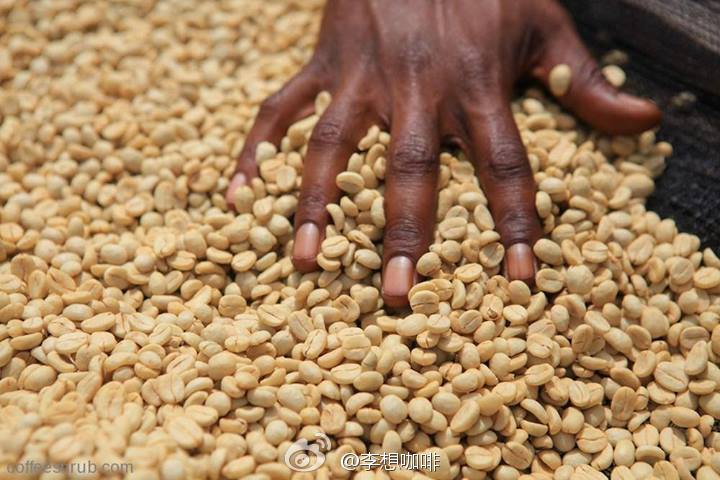
The method of picking raw beans how to pick raw beans steps of picking defective beans
How to check raw coffee beans by hand is the soul of a cup of coffee, successfully select fresh coffee, and then through grinding, filtering, brewing, you can get an ideal coffee. It is also very important to refer to the markings of origin and specifications and touch them directly with your hands to observe their appearance and feeling. To judge the quality of raw coffee beans by appearance, you must have a certain degree of experience, but only

The grading system of giving priority to the size and defects of Blue Mountain Coffee
Although the output of Blue Mountain Coffee is very small, it has a strict grading system, even if it is produced in the legal Blue Mountain area, it should be graded according to the size of beans and the proportion of defects. Blue Mountain No.1 Blue Mountain No. 1 bean type: 96% above 17 Blue 18 eyes defective bean proportion: 2% Blue Mountain No.2 Blue Mountain 2 bean type: 96% above 16 inch defective bean proportion: 2% Blue

The more deadly factor in the preservation of coffee beans is the method of grinding coffee beans into coffee powder.
Professional coffee knowledge exchange more coffee bean information please pay attention to the coffee workshop (Wechat official account cafe_style) a cup of coffee, remind us of the importance of proper preservation of raw materials during food journey, the quality of coffee beans affect the flavor when drinking, and even improperly stored coffee beans may contain toxins, long-term consumption may have impact on health. The origin is defective bean control.

A brief introduction to the origin, development, history and culture of Indonesia's Mantenin boutique coffee beans.
Mantenin has a strong taste, with a strong mellow and rich and lively sense of movement, neither astringent nor sour, mellow and bitter can be fully revealed. The appearance of Mantenin coffee beans is arguably the ugliest, but coffee fans say that the worse the Sumatran coffee beans are, the better, mellow and slippery they are. Manning needs layers of screening, which I think is absolutely necessary. The probability of its defective beans
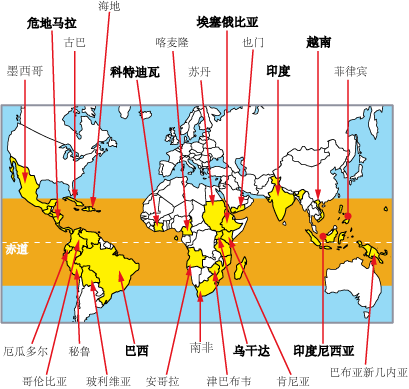
Coffee Common sense Coffee grading system summarizes the selection of classification methods in various countries to determine the altitude of coffee origin
First of all, we should know clearly that the factors that ultimately determine the flavor of coffee come from the environment of its producing area, the way of treatment and the quality of raw beans. I believe that without better raw beans, no matter how good the roaster will not bake amazing coffee. Of course, when good coffee beans are in the hands of baristas, baristas should fully understand their characteristics and then add icing on the cake.

Summary of coffee bean grade classification in various countries formulation and grade classification of coffee producing countries
In the Qianjie coffee factory, each batch of new beans received, there will be information about these beans, coffee producing country, altitude, manor, treatment, and the grading of coffee to be mentioned today, such as Kenya PB, Yega G1, so what does these grading letters mean? in fact, coffee grading standards vary from country to country and from region to region.
The grading system of giving priority to defects in the size of Blue Mountain Coffee
Although the output of Blue Mountain Coffee is very small, it has a strict grading system, even if it is produced in the legal Blue Mountain area, it should be graded according to the size of beans and the proportion of defects. Blue Mountain No.1 Blue Mountain No. 1 bean type: 96% above 17 Blue 18 eyes defective bean proportion: 2% Blue Mountain No.2 Blue Mountain 2 bean type: 96% above 16 inch defective bean proportion: 2% Blue

Boutique manor coffee the representative flavor and characteristics of the hometown of Ethiopian coffee
Boutique coffee is fresh coffee. Whether it's food or drink, of course, the fresh the better, and so is boutique coffee. High-quality coffee should keep the coffee beans fresh before making, including the preservation of baked beans, and grind the coffee beans into powder before making, which is also to retain its original and best flavor. And the way of making hand-made coffee is such a way to make high-quality coffee.

Special boutique coffee beans Boutique Manor beans Indonesian coffee Ethiopian coffee What are the coffee products
Fine coffee is fresh coffee. Whether it's food or drink, the fresher the better, and so is specialty coffee. Coffee beans should be kept fresh before making fine coffee, including the preservation of roasted beans, and the coffee beans should be ground before making, which is also to retain its most original and best flavor. And hand brewed coffee making is such a way to make fine coffee

An introduction to the Origin and Cultural course of Coffee beans in Kenya
1) Common classification: hand-picked coffee fruit, picked by hand, picked out immature fruit (unripe), overripe fruit (overripe) and other defects, peeled, after about 36 hours of fermentation, placed on a metal grid for sun drying, in the processing plant to remove the seed shell (parchment), become a blue-green appearance of attractive Kenyan raw beans. These beautiful raw beans, roots